
Motorcycling Through the Himalayas: What I Got Right, What I Messed Up, and What You Should Know
The first time I rode into the Himalayas, I didn’t really know what I was doing. Had my old Enfield, a half-decent toolkit, and just enough nerve to think I could handle it. I made it to Leh somehow, barely, and learned a whole lot the hard way. Since then, I’ve done it almost every year. So if you’re thinking of doing a motorcycle ride through the Himalayas, this is what it actually feels like. Not the brochure version, not the influencer one, just how it is.
Riding Here Isn’t About Speed. It’s About Survival
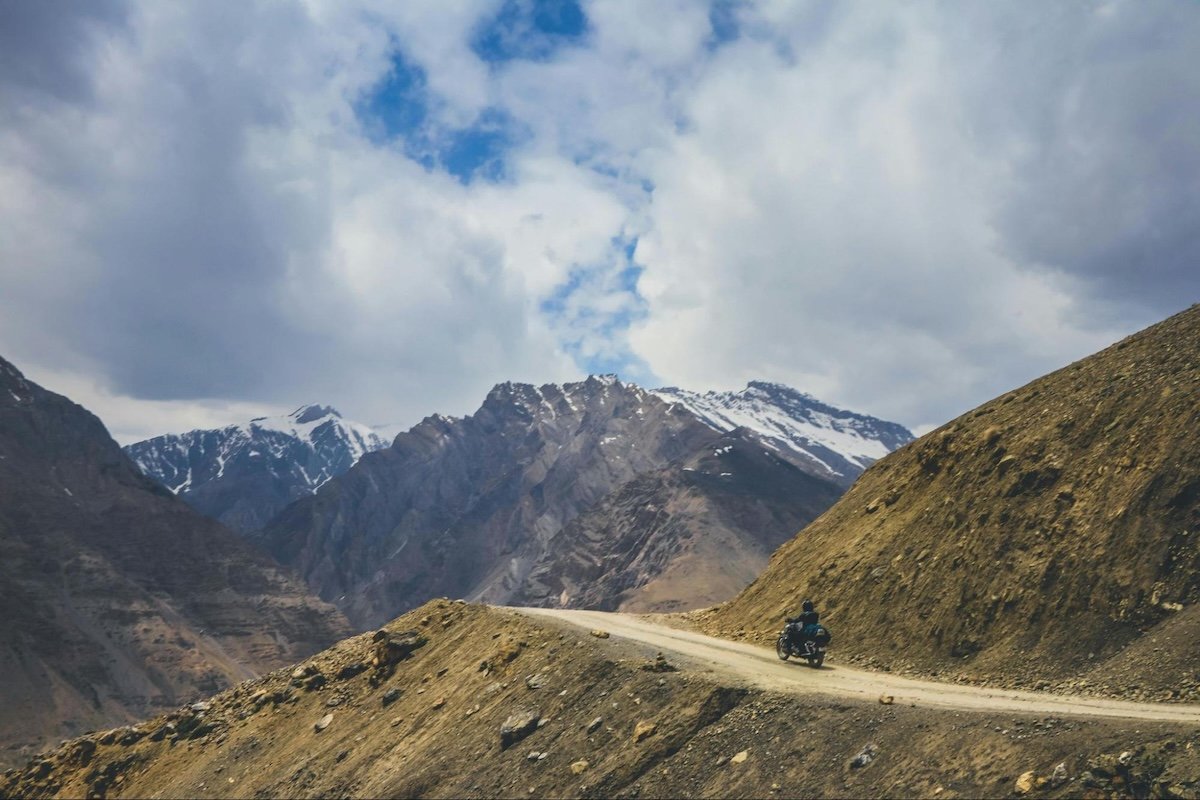
The way you ride in the city or the plains doesn’t work here. Roads crumble without warning. One hour it’s sunshine, next hour you’re stuck in a hailstorm. You learn quickly that this place doesn’t care about your riding ego. It’s not a race. It’s survival and respect for the mountain.
Pick the Right Route for Your Experience Level
There are a lot of routes. Some are scenic and chill. Some will chew you up. Stick to what matches your level, especially the first time around.
- Manali to Leh: Probably the most well-known ride. Rohtang Pass, Baralacha La, and a bunch of high passes. Breathtaking, but not forgiving.
- Spiti Valley: Less traffic, rougher terrain. Isolation hits different here. This one’s not for people who want constant cafes and cell signal.
- Srinagar to Leh: Good for acclimatizing. Roads aren’t as brutal as the Manali route, but you’ll still deal with Zoji La, tight, steep, and unpredictable.
If you try to combine all three in one go, you better have time, prep, and stamina.
Your Bike Is Either With You or Against You
People show up with bikes that shouldn’t be up there. You don’t need a fancy ADV, you need torque, reliability, and comfort.
Enfields still rule the region. They’re built for this. If you’re renting, don’t trust the shop blindly. Check the brakes, the clutch, the tires. Ride it around the block first.
And carry stuff, extra clutch cable, chain lube, fuses, a spark plug or two. If you don’t know basic fixes, learn them. You’ll probably be on your own when something goes wrong.
Altitude Will Mess With You
- I ignored altitude the first time. Thought I was in good shape. Two days later I had a splitting headache, nausea, and zero appetite.
- Go slow. Drink water even if you’re not thirsty. Sleep low, ride high. Avoid alcohol the first few days. And if your body’s freaking out, listen.
- No ride is worth ending up in a tent with oxygen tubes in your nose.
Something Will Break. Don’t Panic
- Stuff goes wrong. Your gear shifts won’t feel right, your exhaust might act up, the wiring might fail. It’s not a smooth ride. It’s not supposed to be.
- One time outside Kaza, my clutch cable snapped and the nearest town was two hours away. Fixed it with help from a chai shop uncle and two zip ties. That’s the ride. It teaches you how to think on your feet.
It’s Not a Film Set. Don’t Ride Like It Is
- The internet made Himalayan rides look like a movie. Drones, slow-mos, people doing tricks on gravel. Don’t be that guy. You’re not here for Instagram. You’re here for the ride.
- The best stuff happens off camera anyway. Like when an old shepherd points you in the right direction with just a head nod. Or when you sit on a rock and just… breathe.
Know When to Push and When to Stop
- You’ll face those moments. Should I keep riding? Should I wait? Trust your gut. If it’s dark, raining, and you’re wrecked, just stop. Find the closest dhaba or homestay. Sleep.
- But if you’ve got light and your head’s clear, push forward. The trick is knowing when to listen to your gut and when to listen to your legs.
Pack Light. But Pack Smart
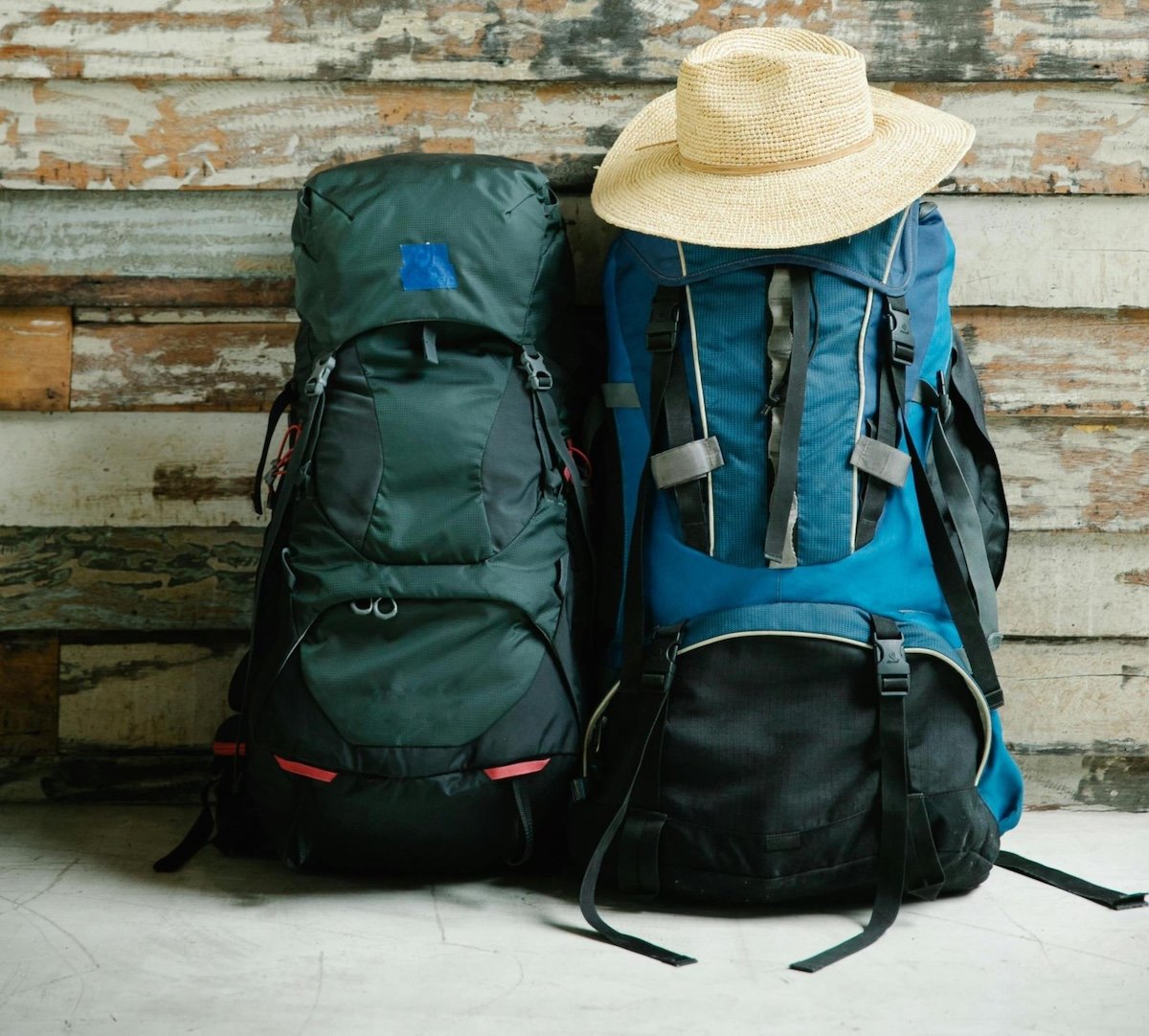
Don’t carry your entire closet. Just take:
- One warm base layer
- A proper riding jacket
- Gloves and rain gear
- First aid kit and basic meds
- A jerry can if you’re riding Spiti or Zanskar
And waterproof your bags. Always.
Silence Will Hit You Different
- Not the silence of earphones or quiet cafes. Real silence. The kind that makes you hear your own heartbeat. It creeps up on you at 14,000 feet and stays in your head long after the ride’s over.
- It’s not just about riding. It’s about the feeling of smallness, the stillness, the space to think. It’s heavy. But it’s good.
To Sum It Up
Riding a motorcycle in the Himalayas changes how you look at roads forever. You stop chasing speed and start chasing moments. You come back with stories you can’t explain properly to anyone. And the weirdest part? You start planning your next trip before your gear even dries.